

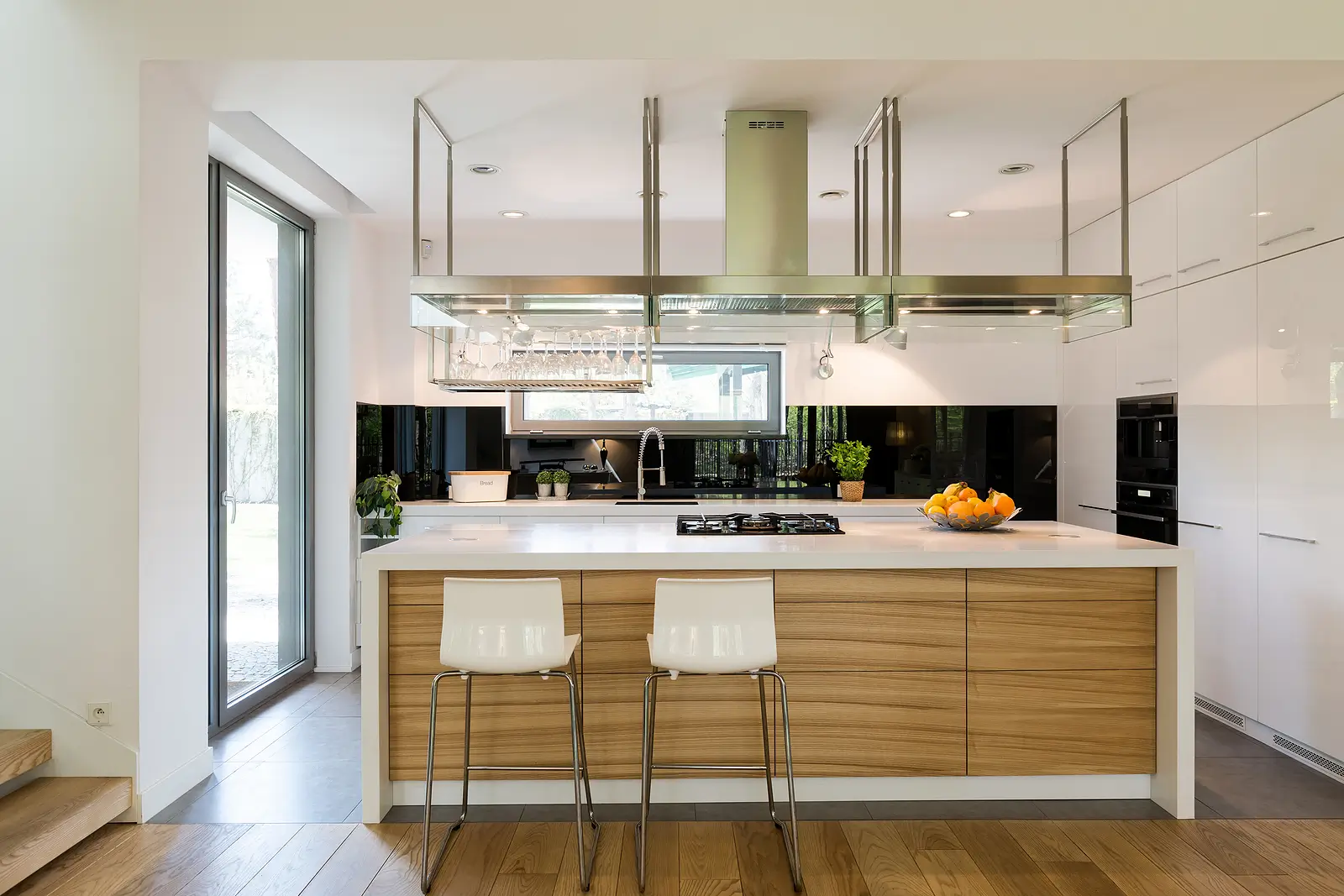
A $15,000 kitchen refresh sounds like a smart investment until you realize Washington's 2026 rent cap only lets you raise rent by about $305 a month on a typical unit. Do the math, and that renovation takes close to four years to pay for itself through rent alone.
For King County landlords, this is the new reality: renovation costs keep climbing, but the ceiling on what owners can charge for them does not move nearly as fast. Add in ongoing maintenance needs that never stop competing for the same budget, and every renovation dollar has to work harder than it used to. So which upgrades actually pay off, and which ones just feel good to check off a list? Read on to find out where renovation dollars go furthest in today's King County rental market.
Key Takeaways
- Washington's 2026 statewide rent cap of 9.683 percent limits how quickly a renovation can pay for itself through rent increases alone.
- Kitchen refreshes, flooring upgrades, and energy-efficiency improvements are widely reported to recoup more of their costs than full remodels do.
- In-unit laundry, parking, and storage are the amenities King County tenants say they are most willing to pay more for.
- Prioritizing repairs first, function second, and finishes last keeps a renovation budget from working against itself.
The Rent Cap Math behind Every Renovation Decision
Washington's rent cap for 2026 sits at 9.683 percent, set annually by the state Department of Commerce under HB 1217 and tied to Seattle-area Consumer Price Index data. It applies statewide, including here in King County. On a typical $3,150-per-month unit, that works out to roughly $305 in additional rent each month, or about $3,660 a year, before an owner hits the ceiling. That number now shapes the payback period on nearly every renovation project landlords consider in this market.
Here is what that looks like in practice:
- A $15,000 kitchen refresh, paid back through the full capped rent increase, takes close to four years to recoup.
- That estimate does not even account for the rising operating costs in Seattle that eat into the same rental income.
- The cap does not apply at every point in a tenancy, which changes the calculation significantly.
The cap only limits increases during an active lease and does not apply during a tenant's first 12 months in a unit. When a unit turns over between tenants, owners can reset the rent to market rate, making turnover the best window for a bigger renovation push. A lease renewal rarely justifies the same investment, since the capped increase stretches the payback period out for years. With that constraint in mind, some upgrades recoup their cost quickly, while others take far longer than they are worth.
Upgrades That Recoup Their Cost Fastest
The renovations with the strongest reported return share one trait: they target what tenants notice most without the expense of a full-scale remodel.
Kitchen refresh over full remodel. A full kitchen remodel in the Seattle market can run $30,000 to $80,000, a cost that rarely makes sense for a rental unit. A targeted refresh performs better financially and typically includes refacing or repainting cabinets, swapping in modern hardware, and installing quartz or butcher block countertops instead of natural stone. Industry sources report that minor kitchen updates like these can return well over 100 percent of their cost.
Flooring that holds its value. Flooring is one of the few upgrades where refinishing is generally considered to outperform full replacement. Industry estimates suggest refinishing existing hardwood floors can return significantly more of their cost than installing new hardwood, though actual returns vary by property and market. Where hardwood is not practical, high-quality luxury vinyl plank holds up well against Seattle's wet climate, resists water damage, and costs meaningfully less to install than tile.
Energy efficiency, the invisible upgrade. Insulation upgrades are widely reported to recover close to their full cost over time, and energy-efficient windows are generally considered a solid mid-range return, though figures vary by material and installer. Neither upgrade photographs well for a listing, but both lower tenant utility bills and reduce long-term maintenance from moisture and drafts.
Amenities King County Tenants Will Pay More For
Beyond the upgrades that pay back through resale-style ROI, certain amenities directly influence what tenants are willing to pay in rent each month.
- In-unit laundry consistently ranks among the strongest rent drivers in Seattle-area rental markets. It saves tenants time and money compared to shared facilities, and a stackable washer and dryer can often be added to smaller units without a major layout change.
- Parking and storage carry outsized value in compact King County neighborhoods like Kent, Renton, and SeaTac, simply because space is scarce. Even a clearly designated parking spot or an added storage closet can shorten vacancy periods and justify a modest rent increase.
Important note: HOA and condo approval is worth confirming before work begins for owners managing units inside a homeowners association since board rules can affect both timeline and cost.
A Simple Framework for Prioritizing Your Budget
When budgets are limited, the smartest approach is to follow a clear hierarchy: fix defects first, improve function second, and upgrade finishes last.
Roof leaks, electrical issues, and plumbing failures should always take precedence over cosmetic work. Ignoring them tends to create bigger problems and can become one of the common landlord mistakes that trigger tenant complaints down the line. Once safety and function are handled, a general rule of thumb is to avoid spending more than 30 percent of a property's value on any single space. This keeps one renovation from swallowing the budget meant for the rest of the property.
Property-by-property judgment matters most at this stage. What pays off in a Kent townhouse may not pay off in a Renton apartment, and weighing cost against impact for a specific unit and tenant pool works better than applying a one-size-fits-all renovation list.
FAQs
1. Should I renovate before or after a tenant moves out?
Turnover is generally the better time, since resetting rent to market value lets a bigger renovation pay for itself faster. Renovating mid-lease means the rent cap limits how quickly costs come back.
2. Is a full kitchen remodel worth it for a rental property?
Rarely. Targeted refreshes, such as refaced cabinets and new countertops, are widely reported to recoup a higher percentage of their cost than gut renovations, which can run $30,000 to $80,000.
3. What upgrade should I prioritize if my budget is limited?
Start with anything affecting safety or function, such as insulation, roofing, or plumbing, before spending on cosmetic finishes. Fixing defects protects property value more reliably than a fresh coat of paint.
4. Do tenants really pay more for in-unit laundry?
Yes. It consistently ranks among the top amenities King County renters are willing to pay extra for, alongside dedicated parking and storage in denser submarkets.
The Best Renovation Decision Is the One That Fits Your Property
The highest-ROI upgrade is rarely the most impressive one. It is the upgrade that matches the property's condition, the tenant pool it attracts, and the math imposed by Washington's rent cap. A landlord chasing trends can easily overspend on finishes while a leaking roof or drafty window quietly costs more in the long run. The better approach starts with defects, moves to function, and only then considers what looks good in a listing photo.
At Bell-Anderson & Associates, LLC, we work with King County owners every day to determine which upgrades are worth the investment and which are not, given each property's condition and rent potential. If you are weighing a renovation decision for your rental, reach out to our team for a property evaluation before you commit your budget.